In Conversation With Victoria Harris
The Curve co-founder, investor, and advocate for financial independence — on slow living, considered spaces, and the quiet power of investing in what lasts.
There's a certain kind of person who thinks carefully about how they spend their time, their money, and their energy. Victoria Harris is that kind of person.

As co-founder of New Zealand's finance and investing education platform The Curve and co-host of one of the country's most listened-to finance podcasts — Victoria Harris has spent years encouraging women to slow down, ask better questions, and make decisions from a place of knowledge rather than anxiety.
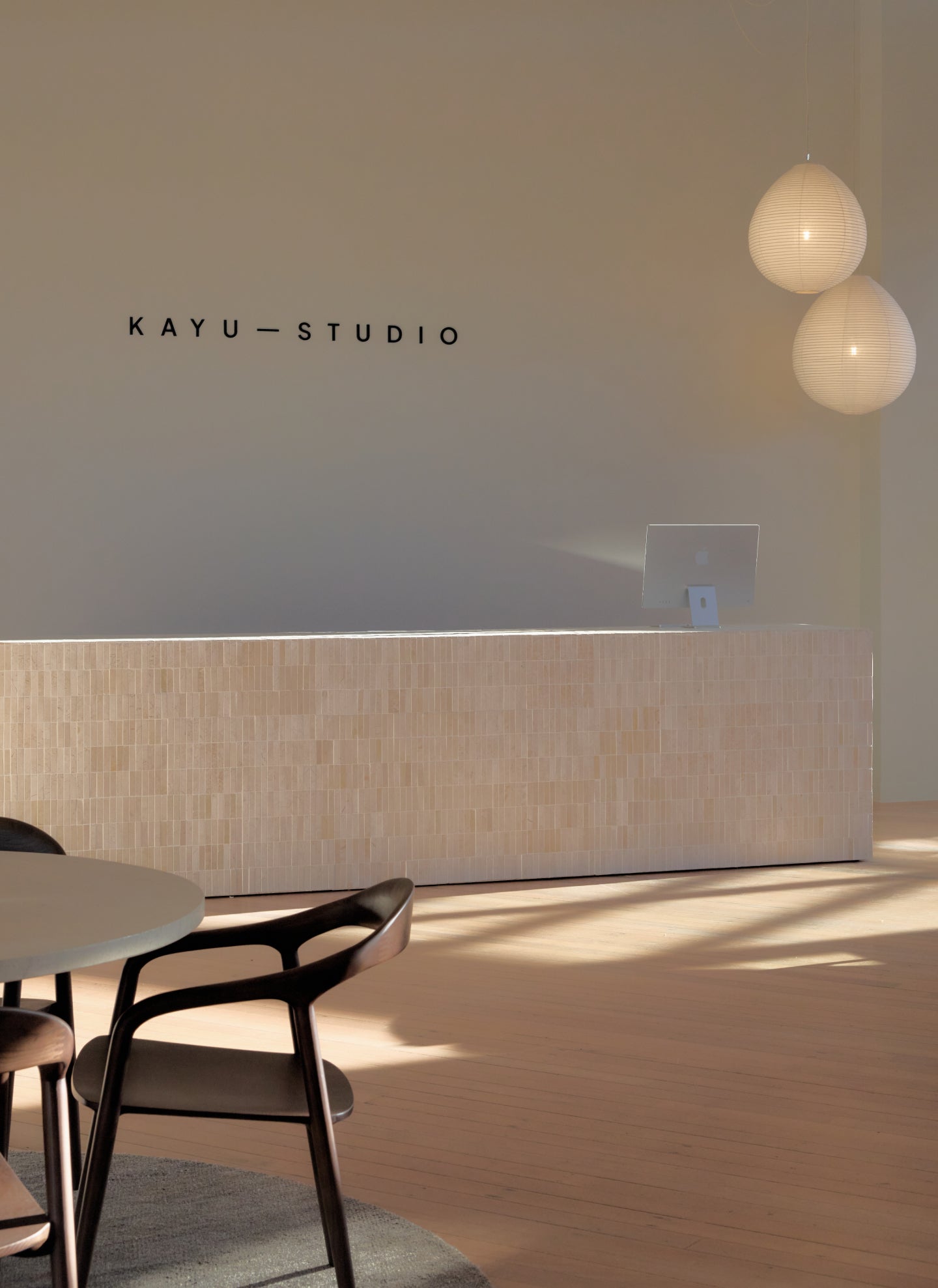
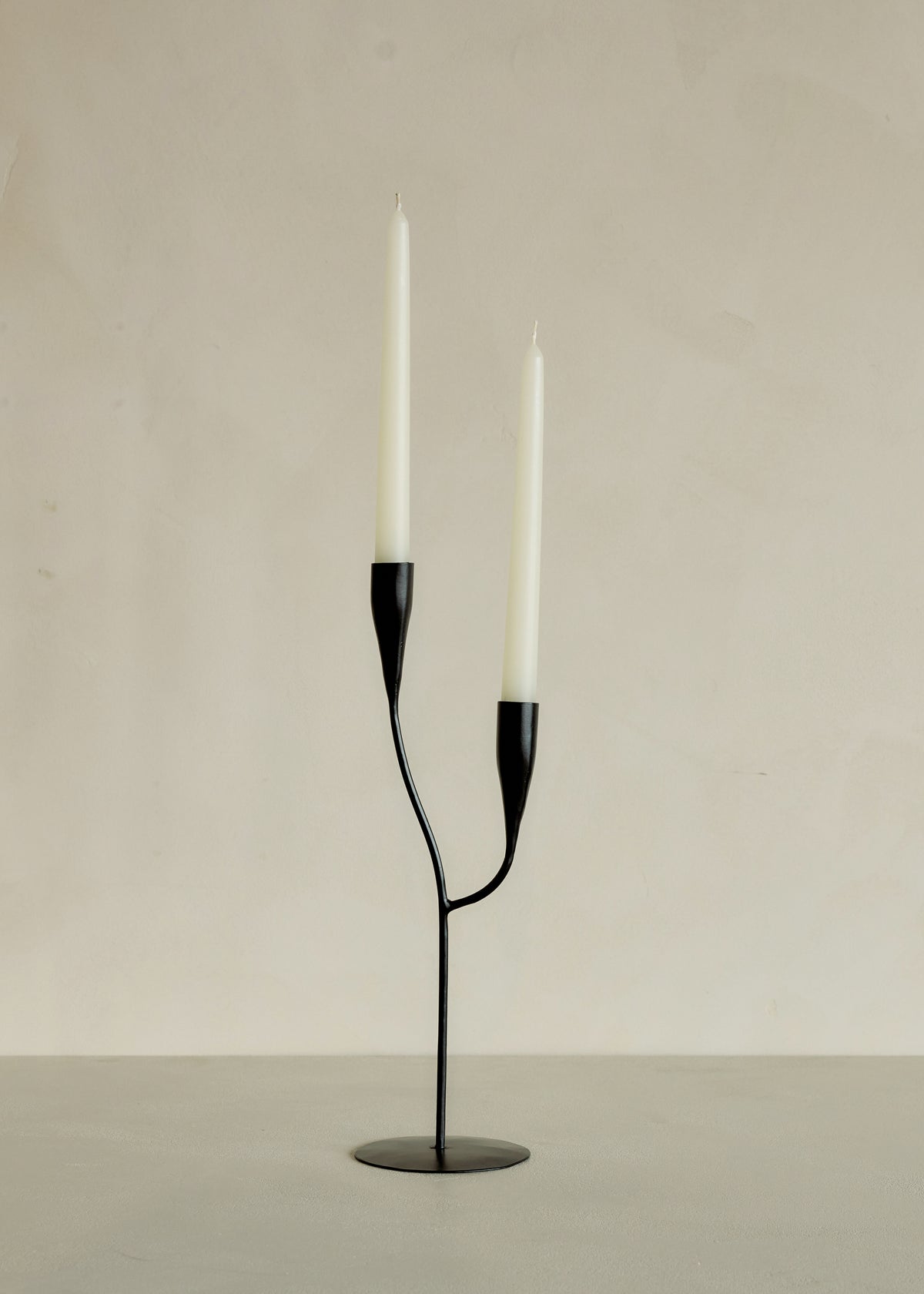
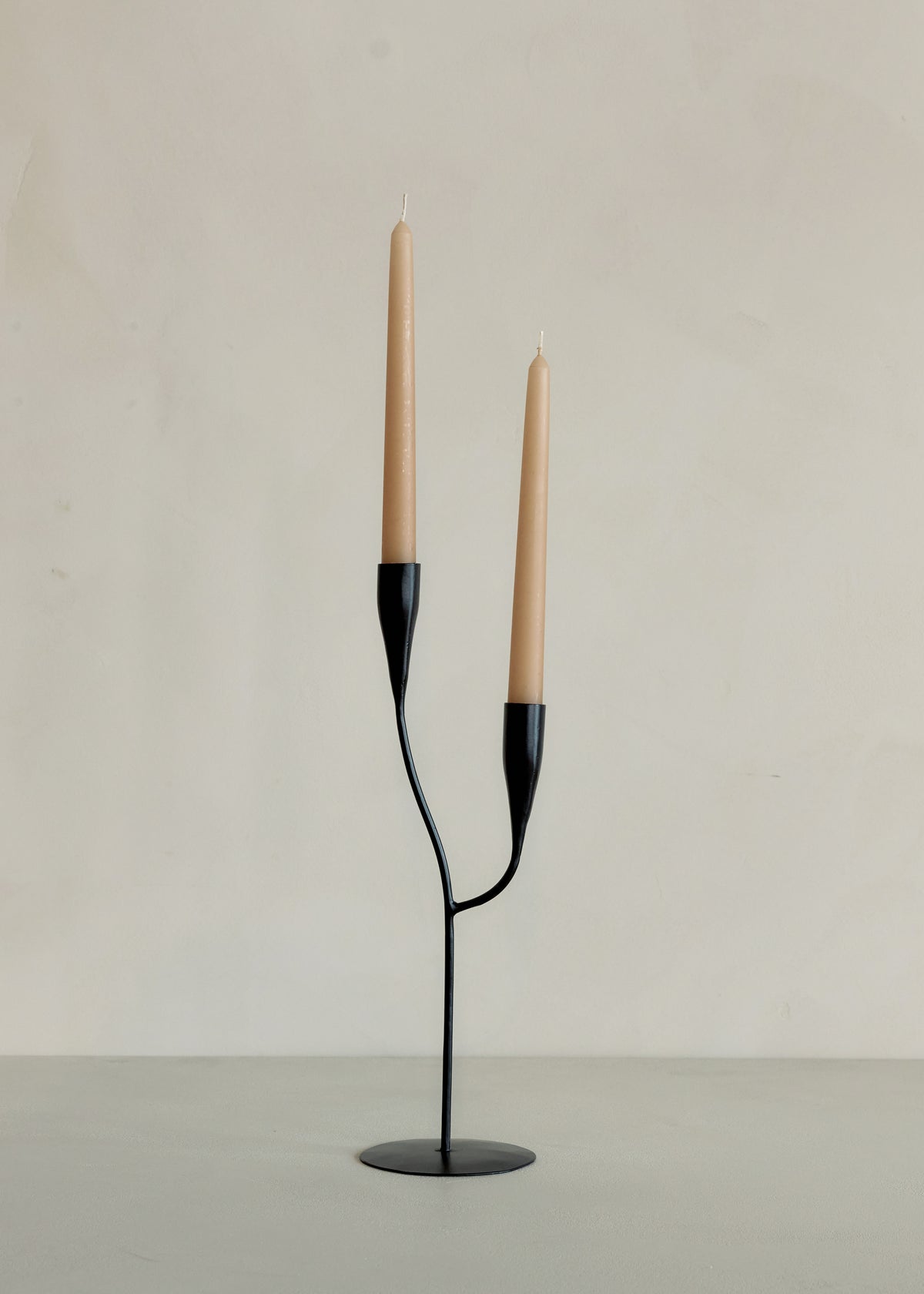
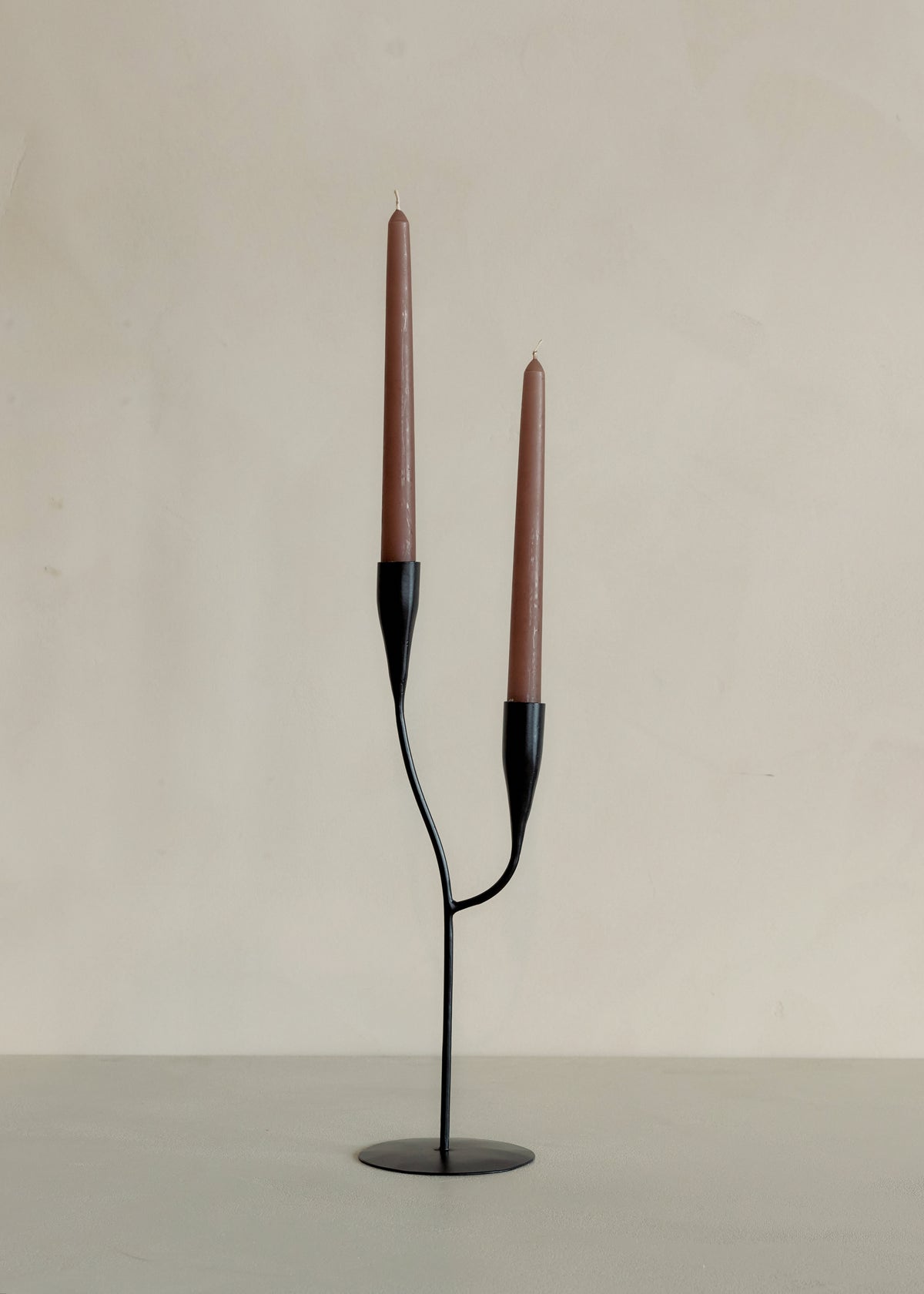
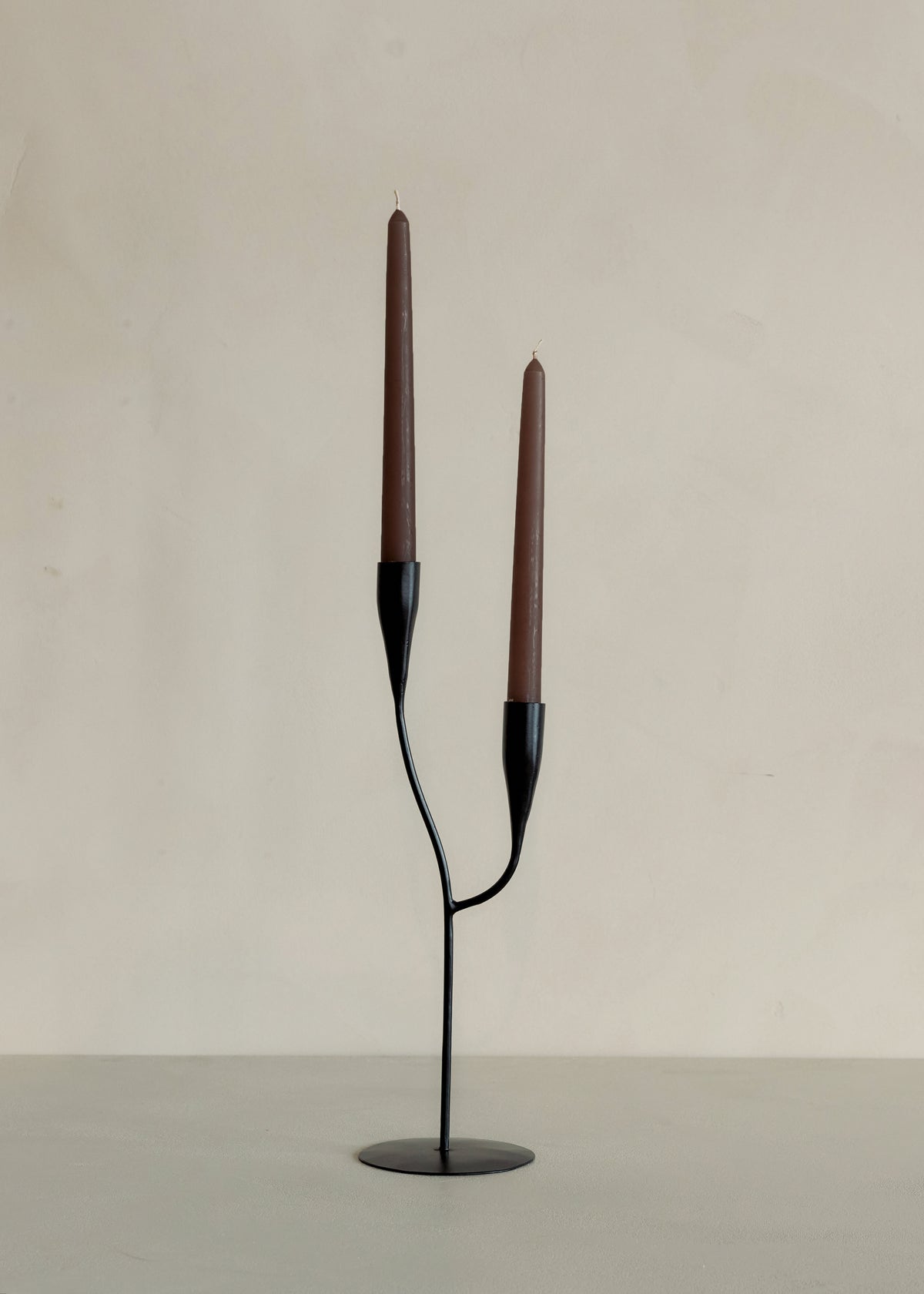
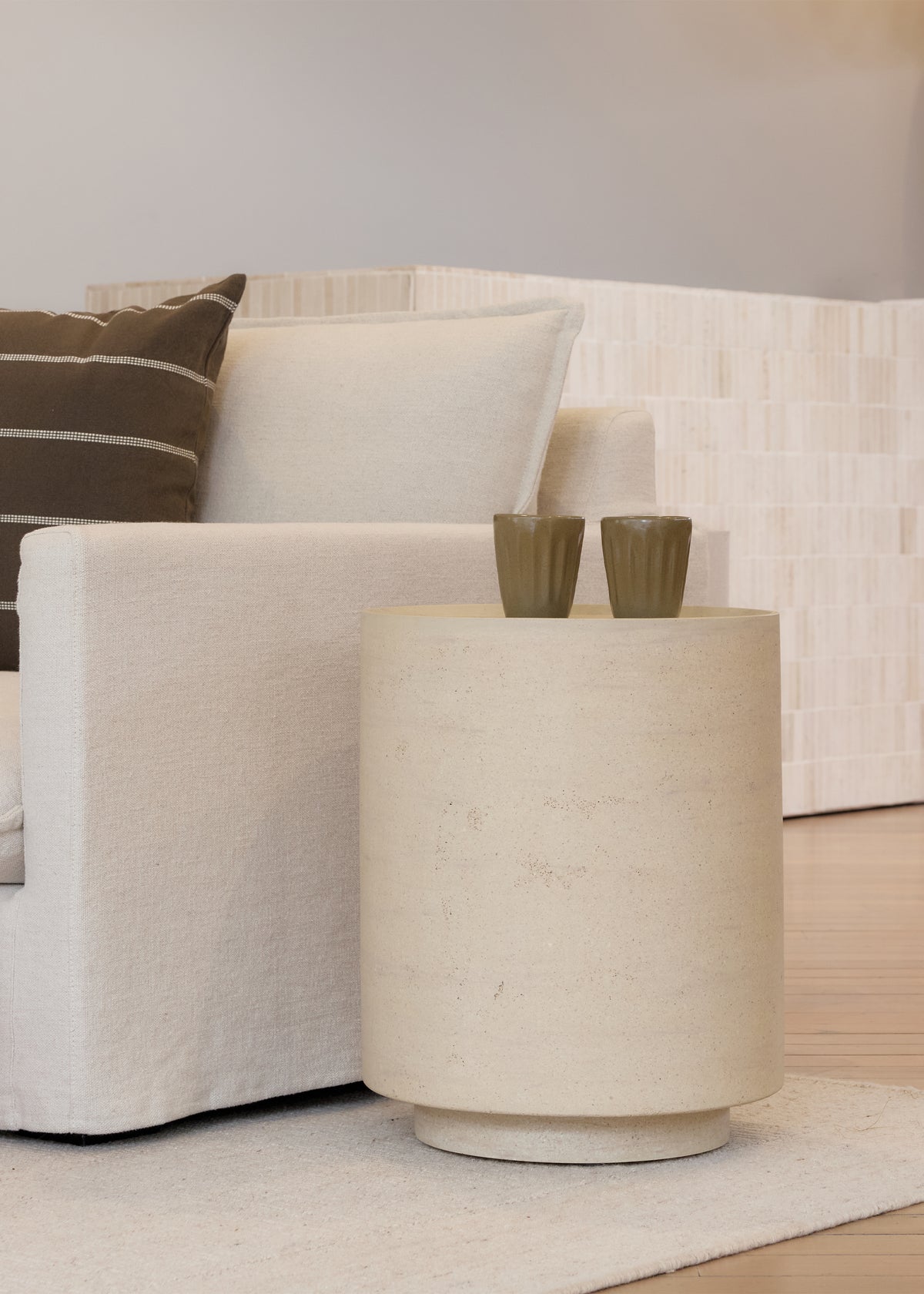
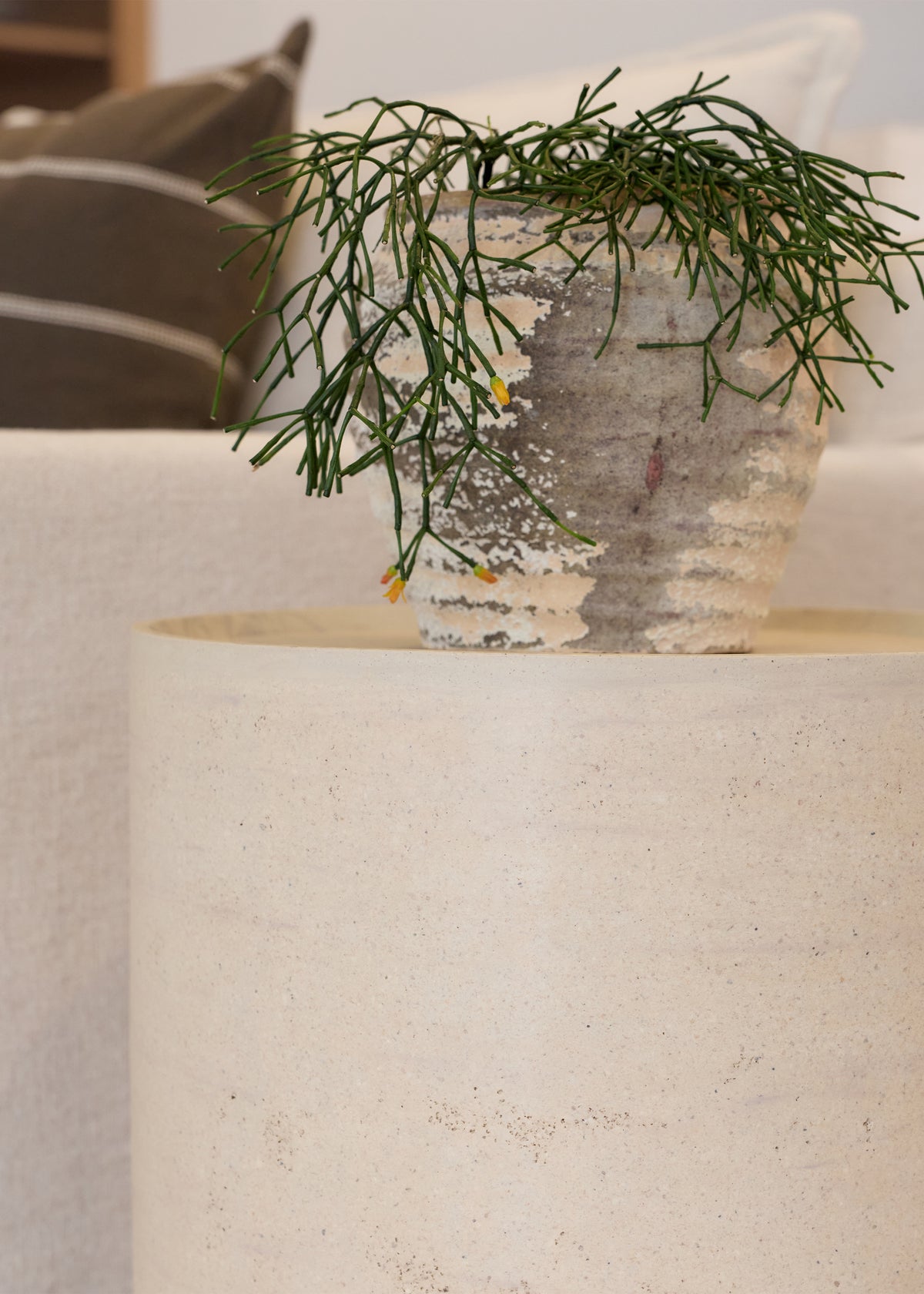
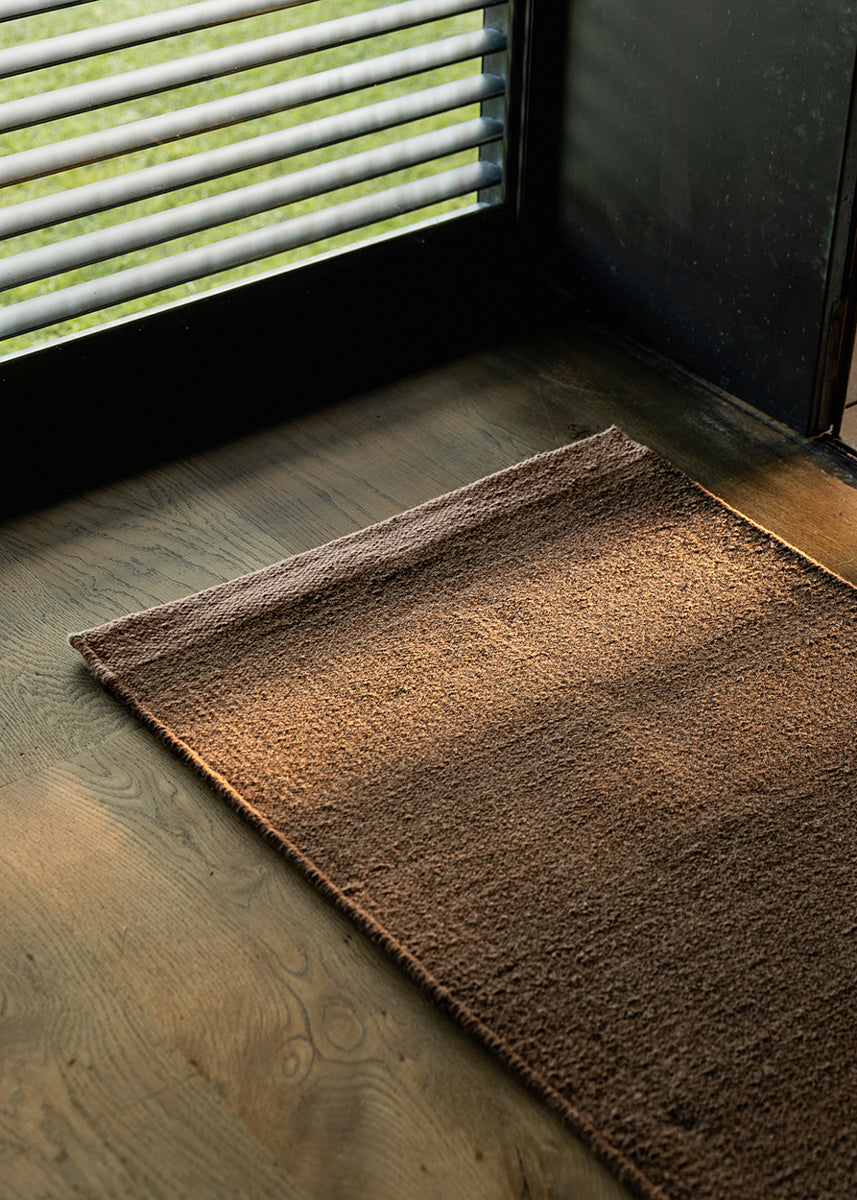
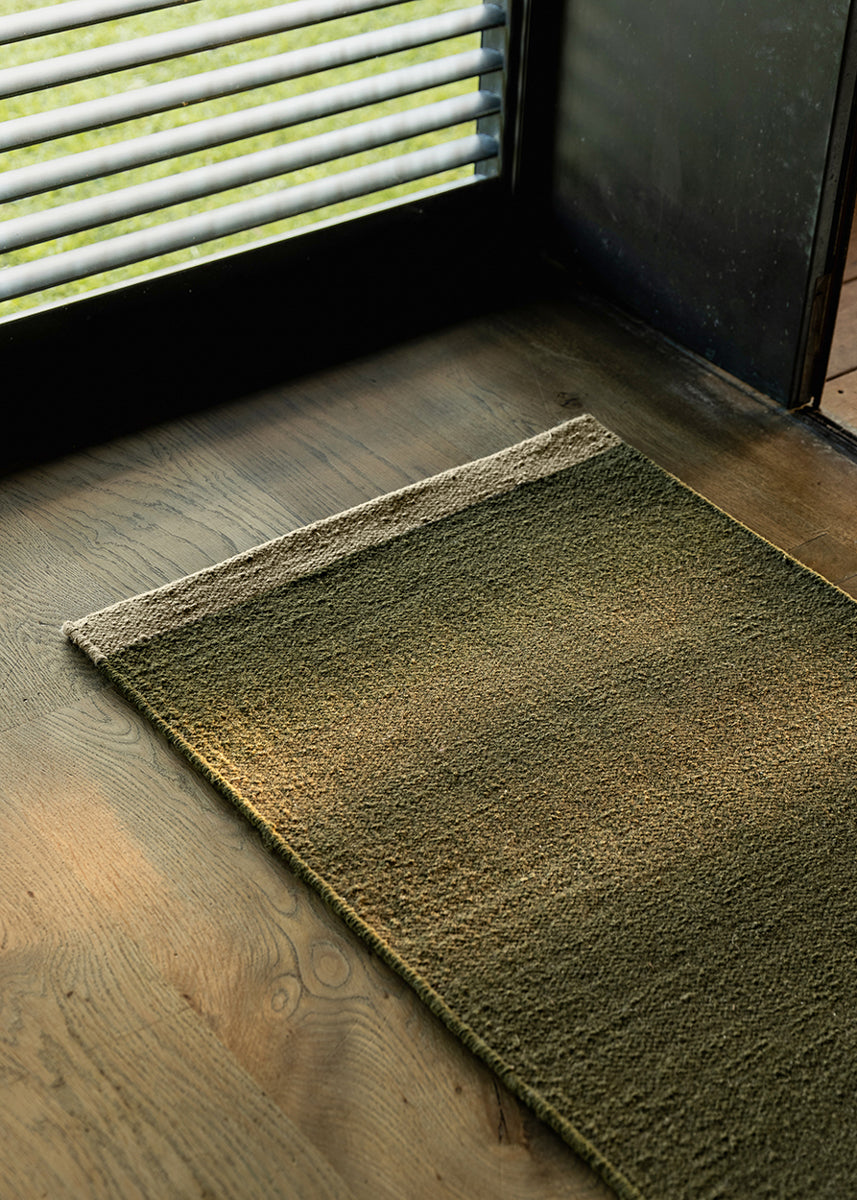
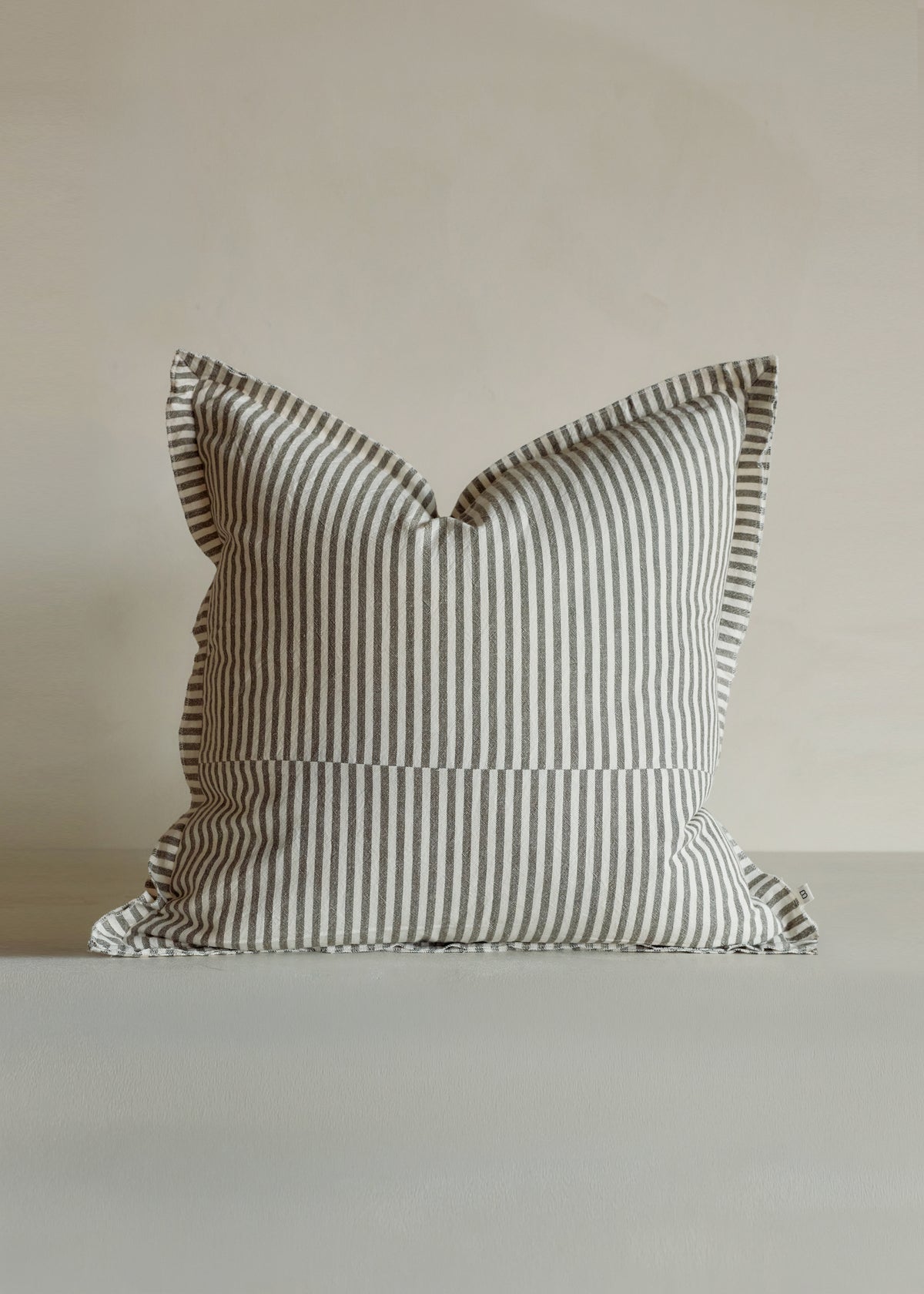
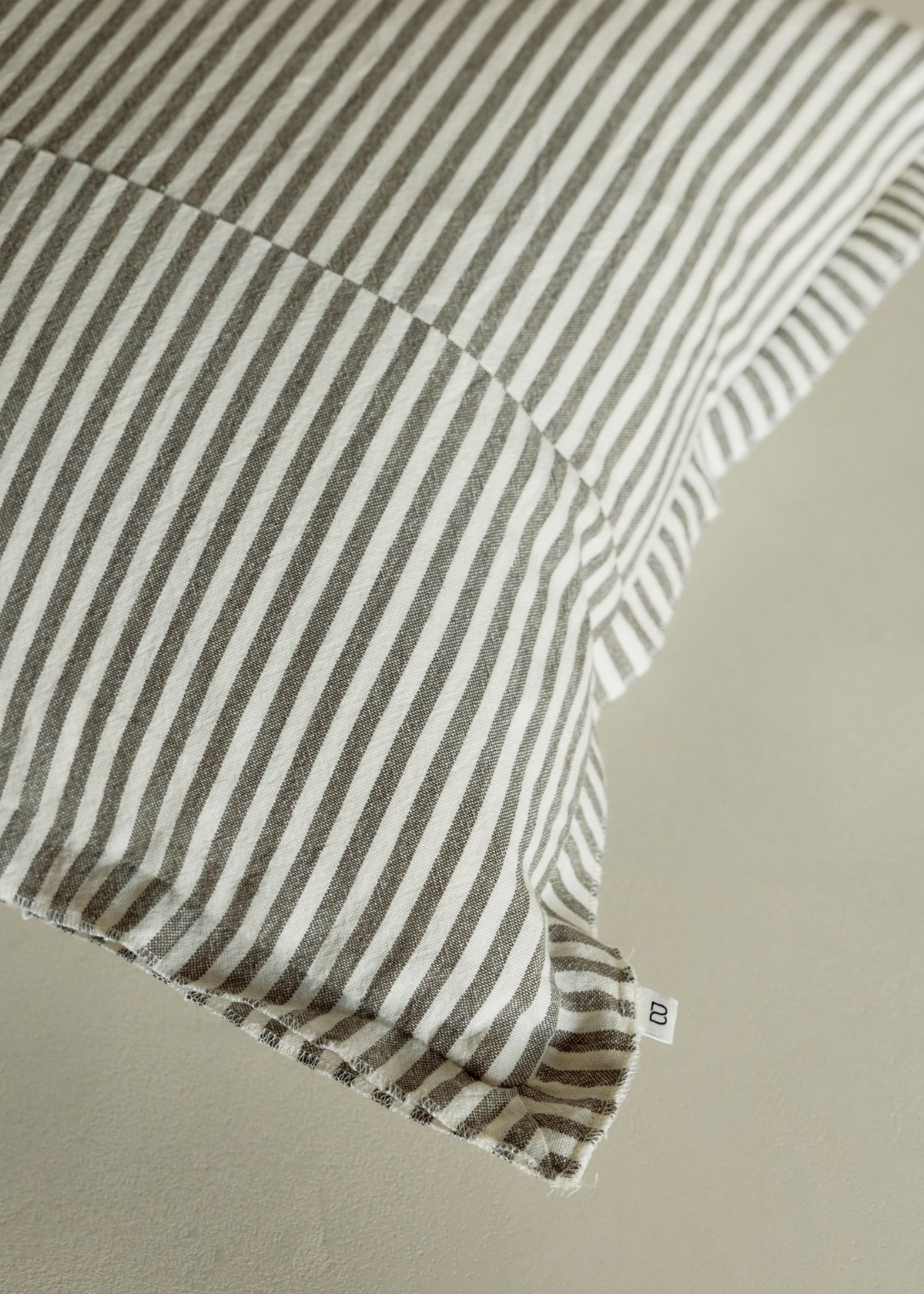
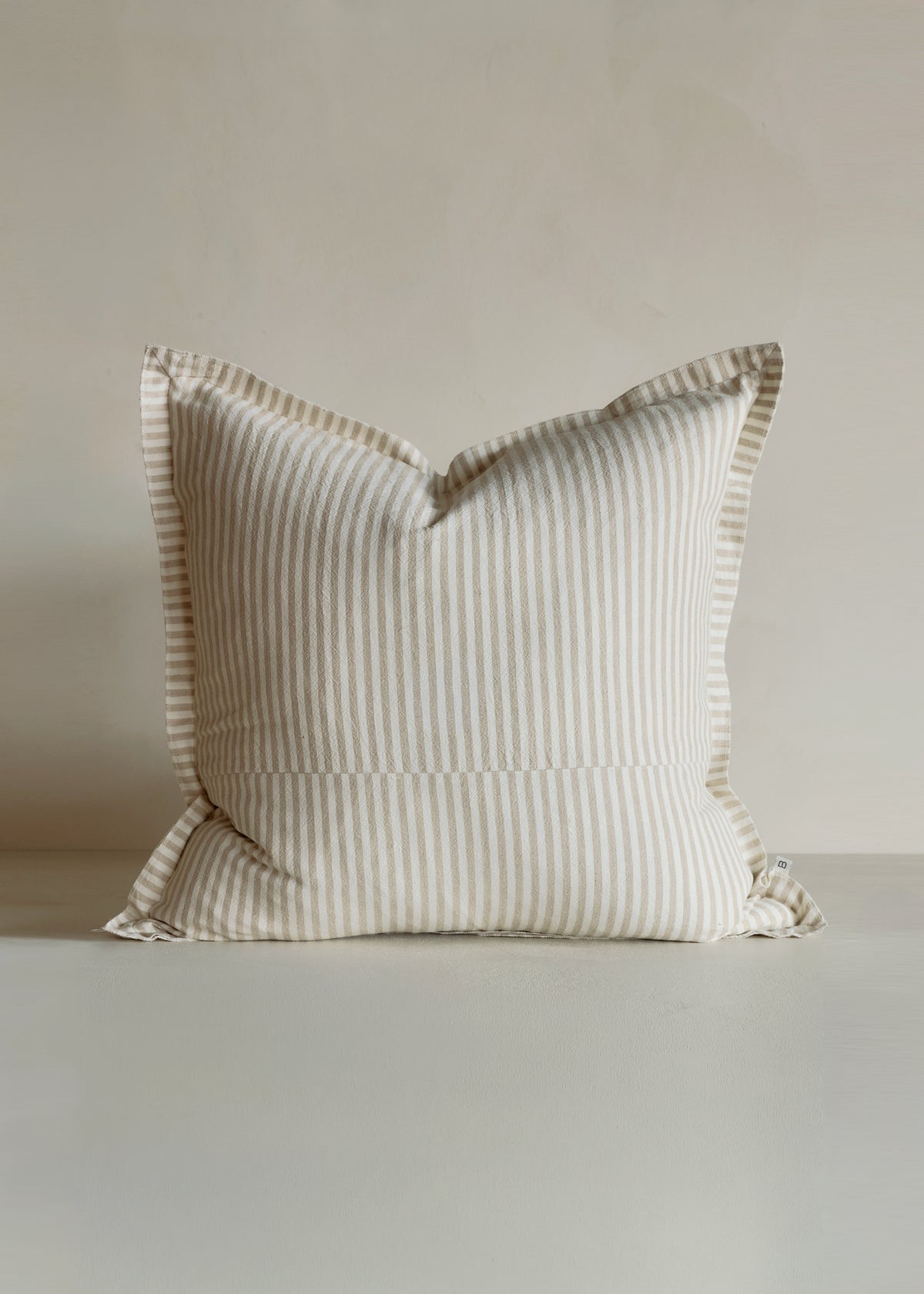
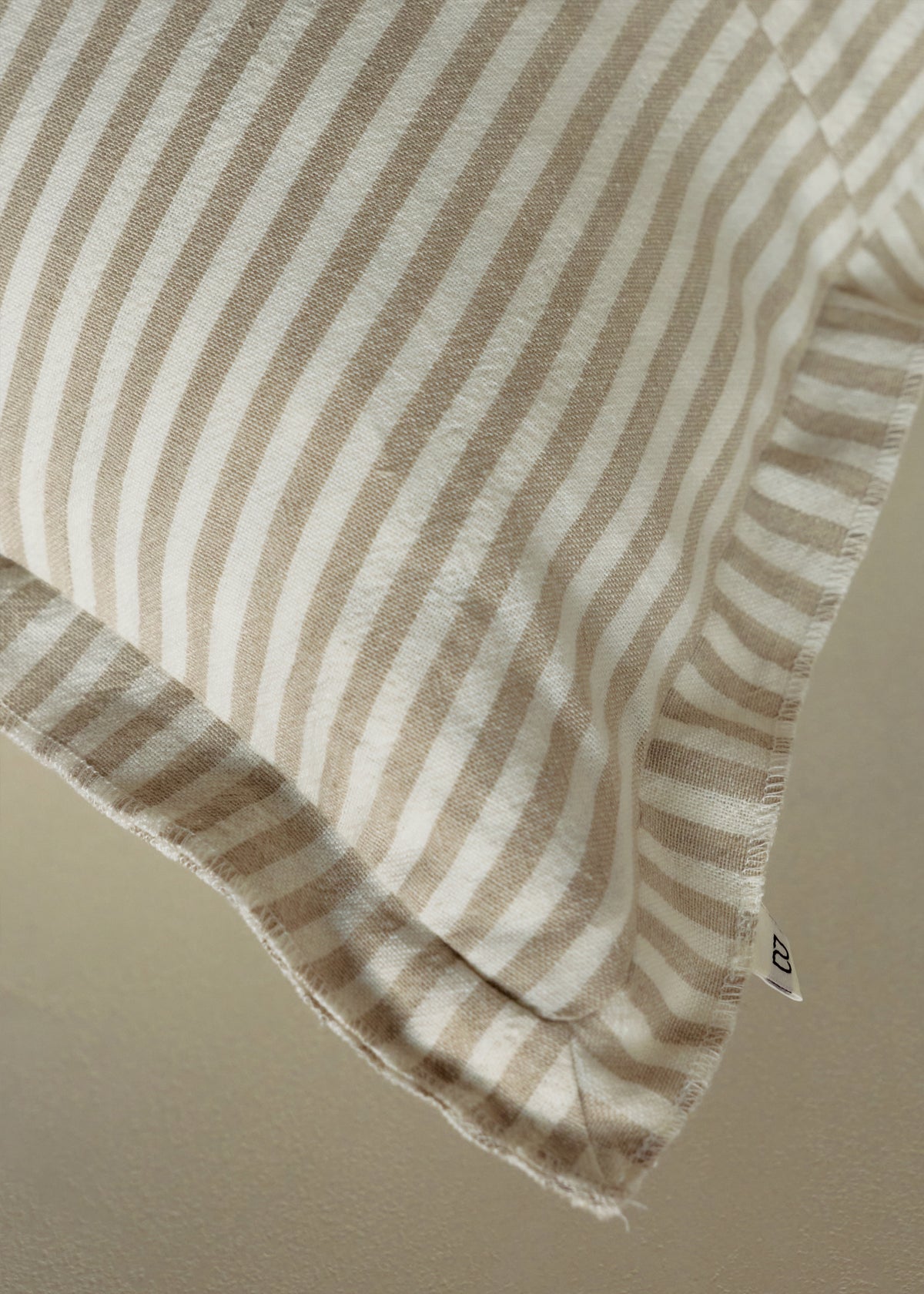
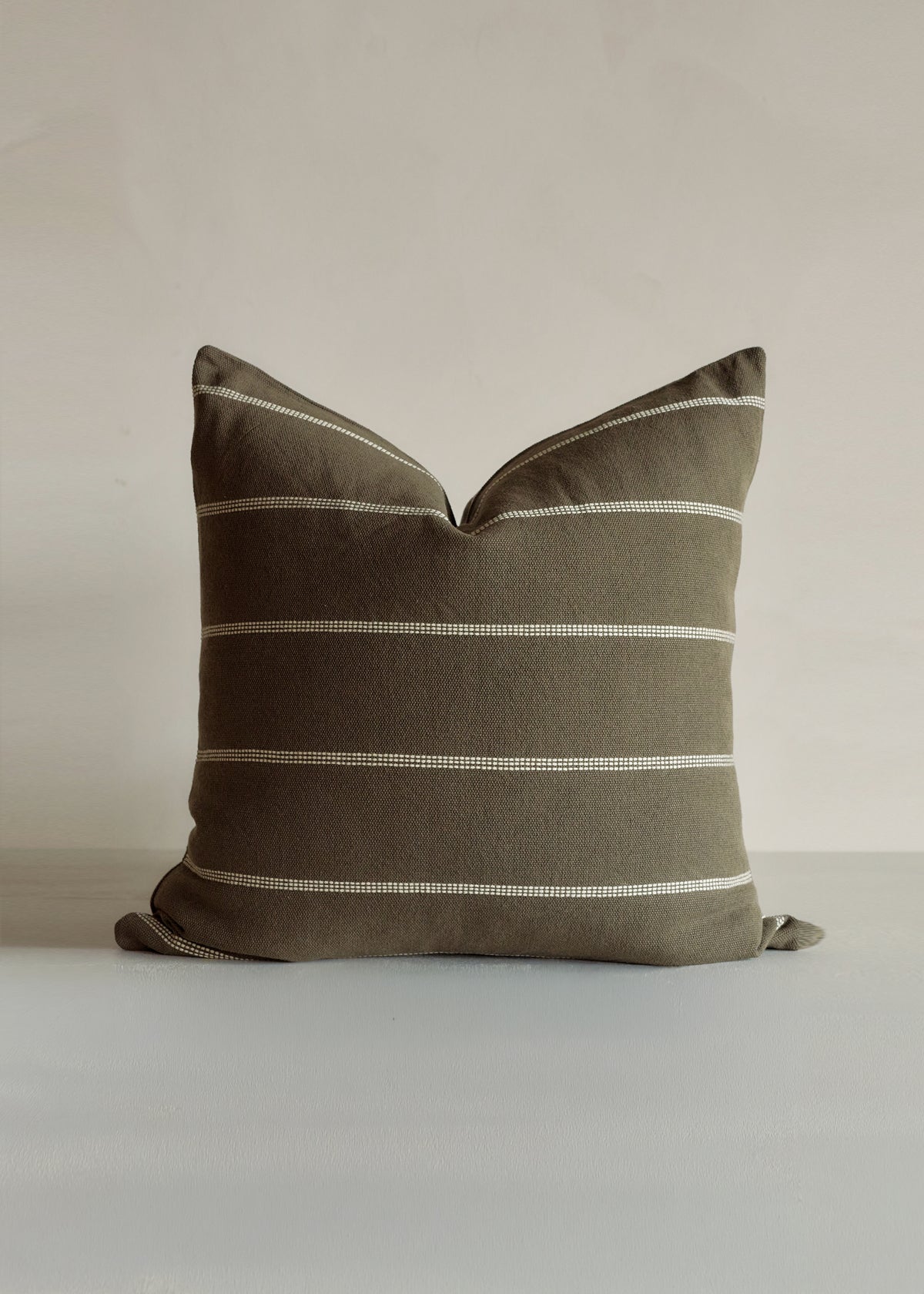
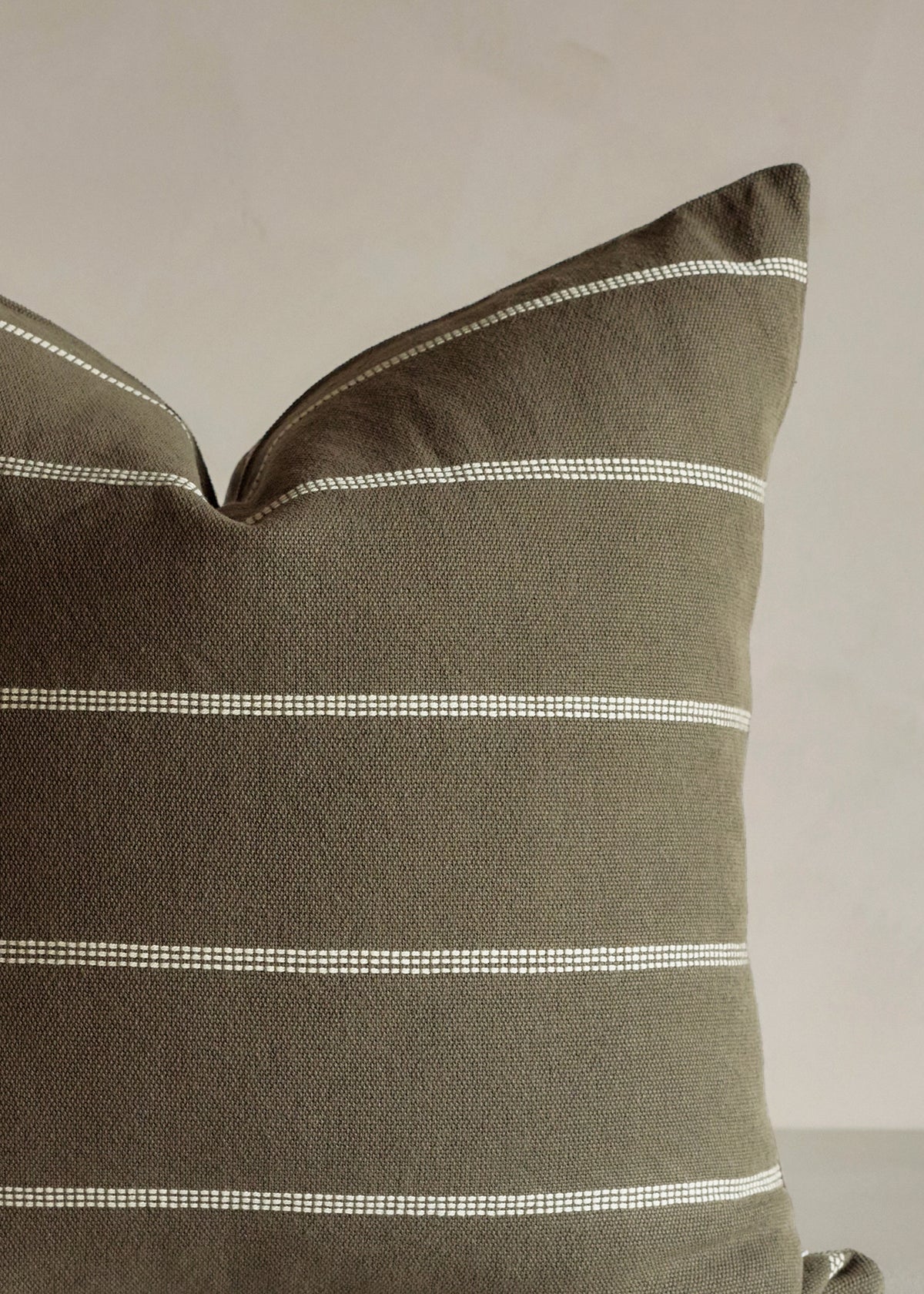
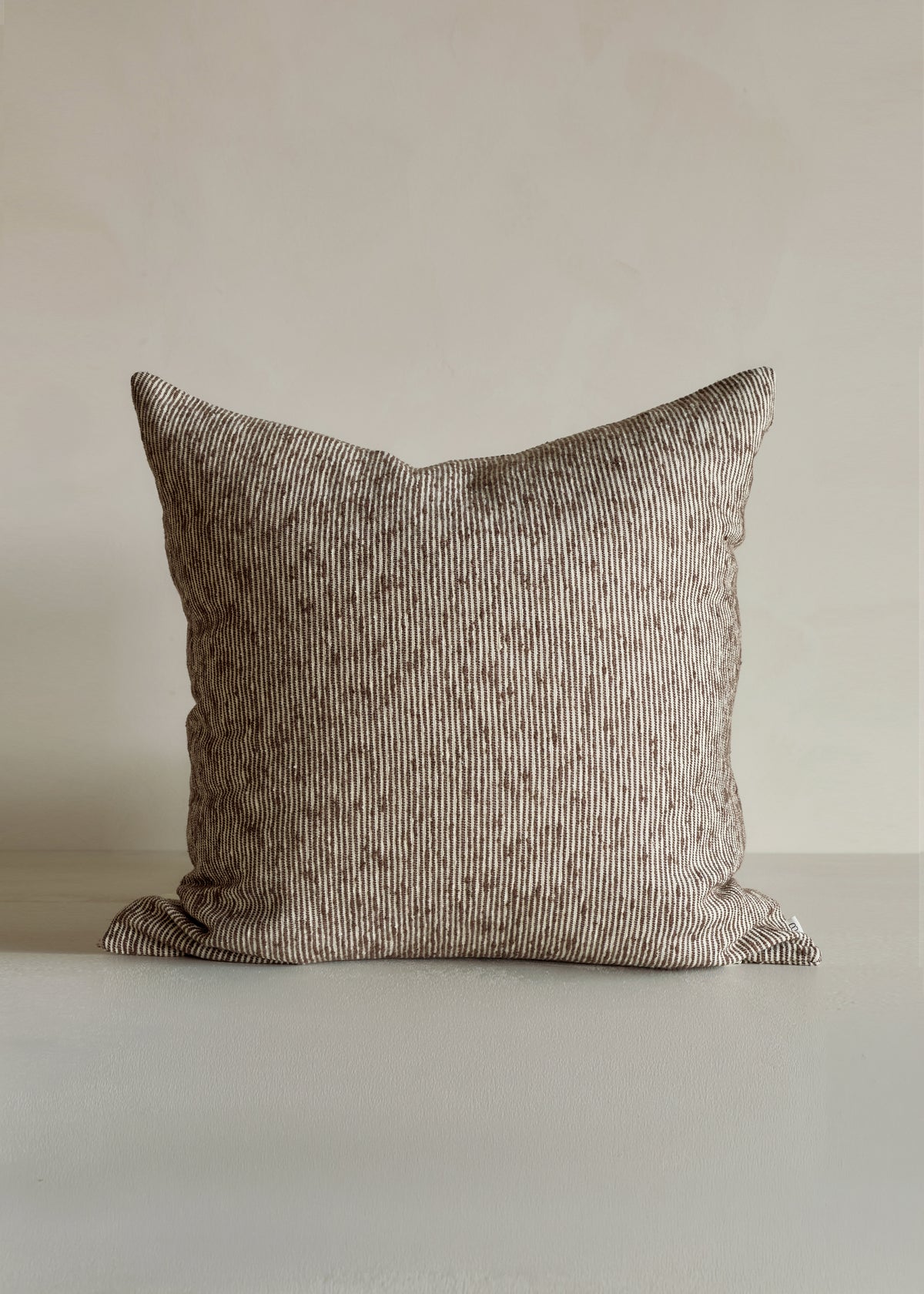
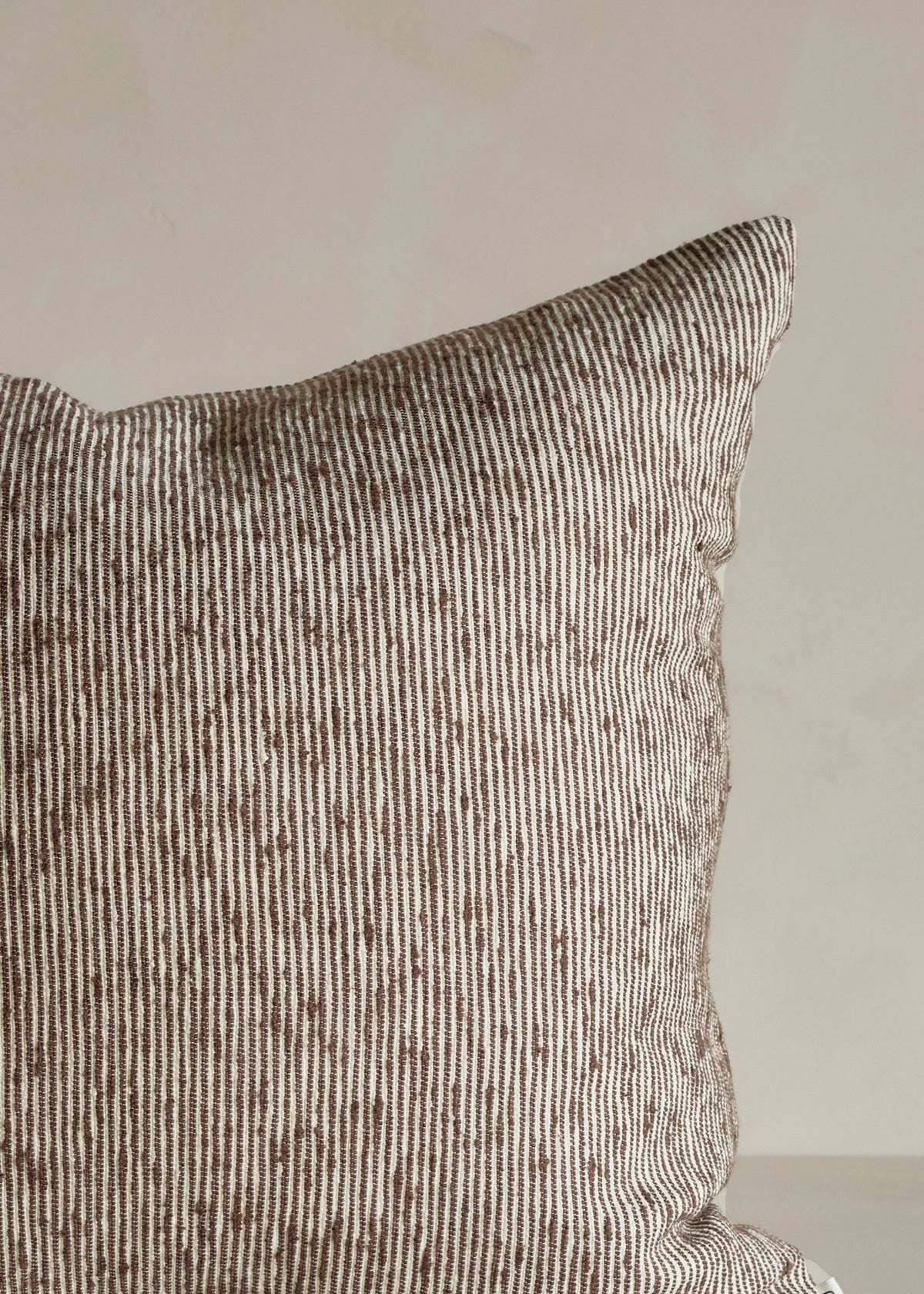
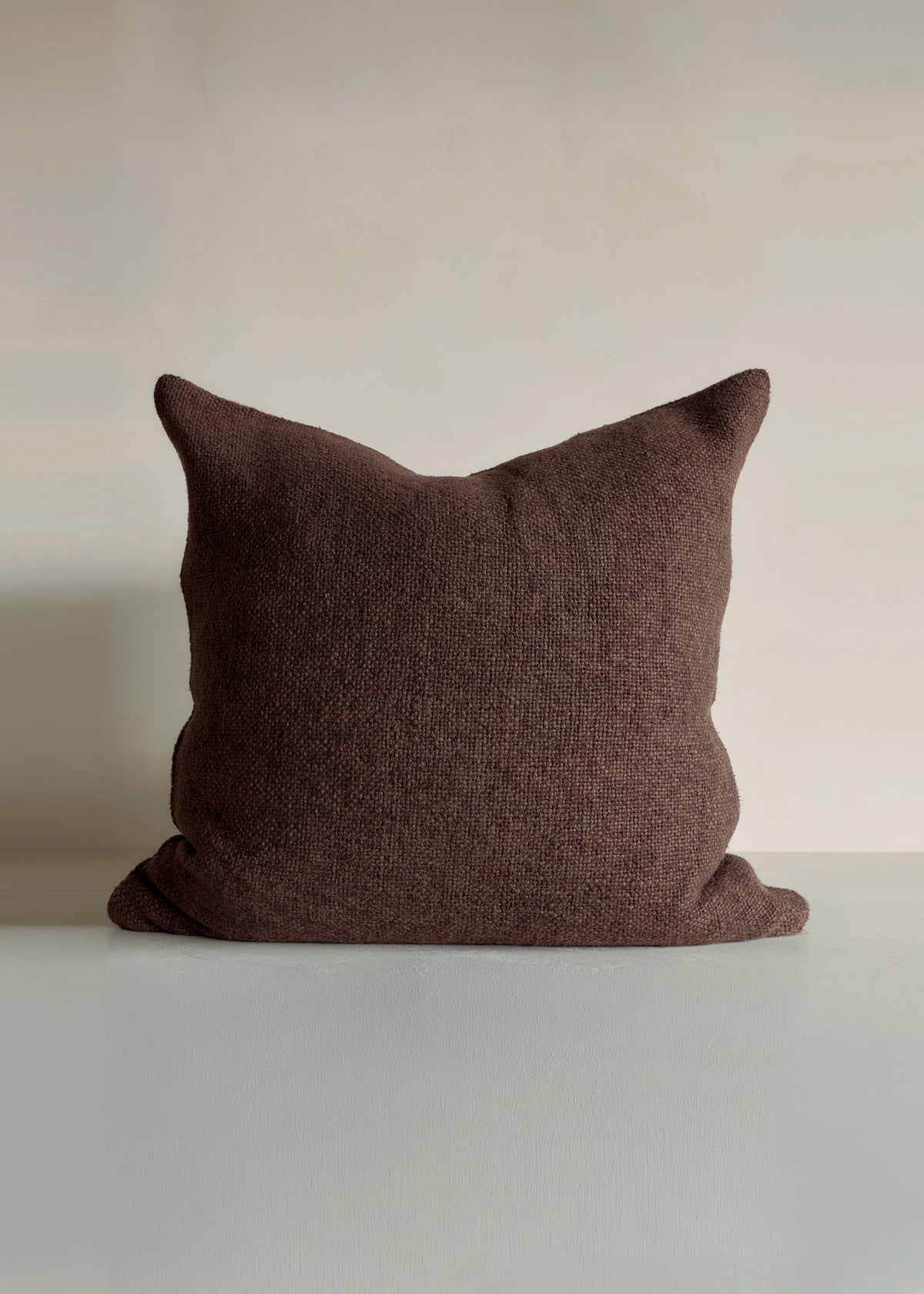
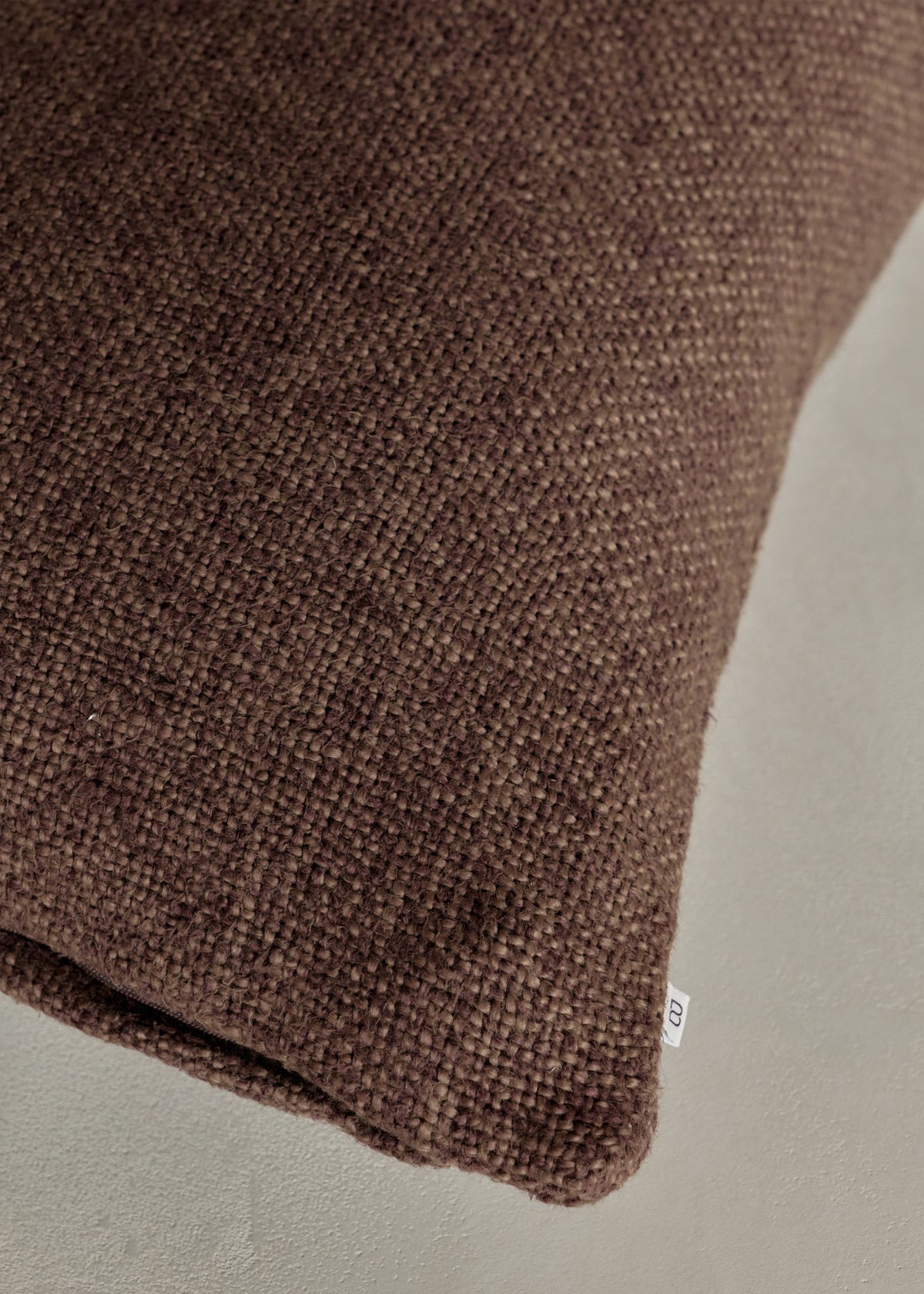
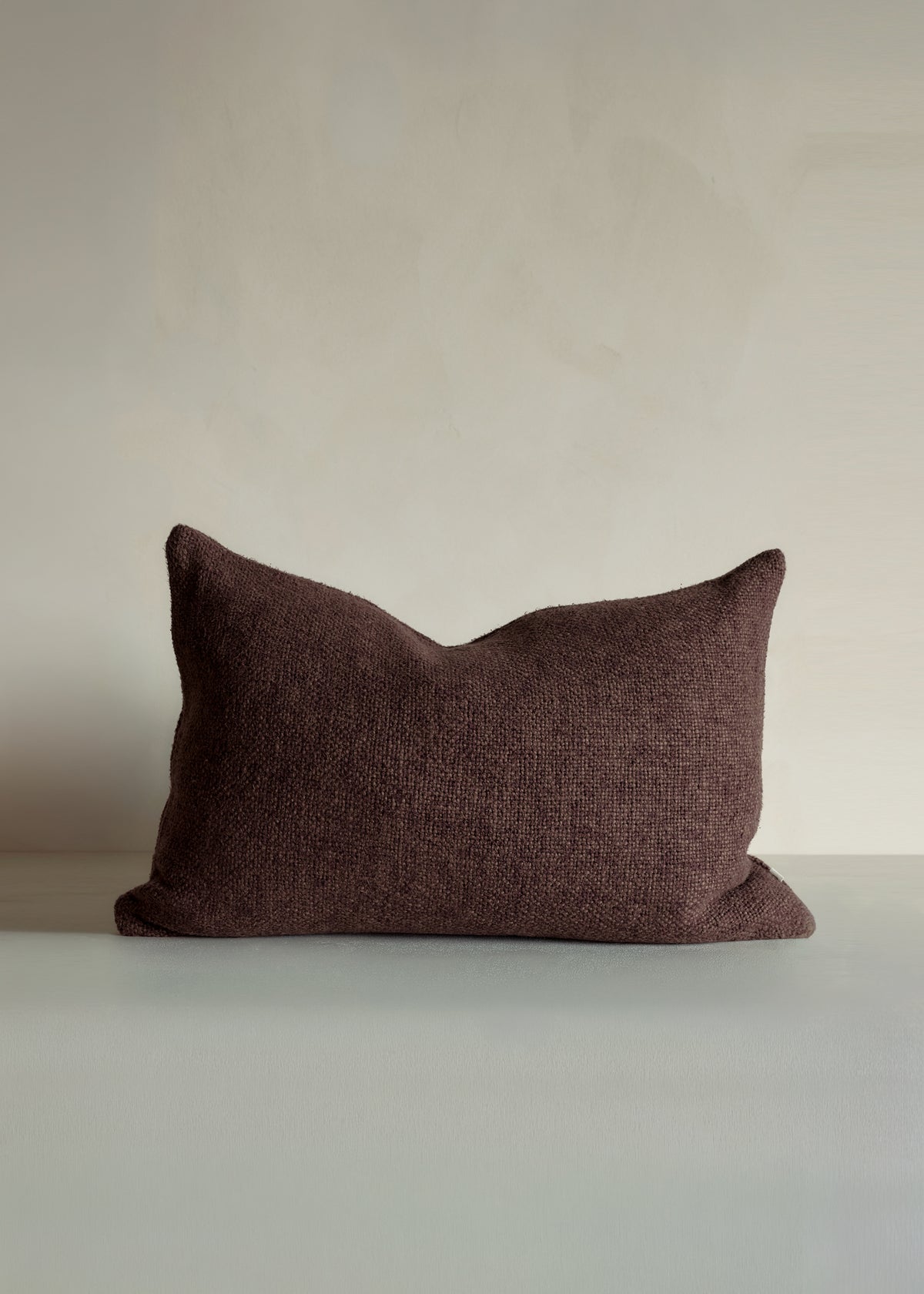
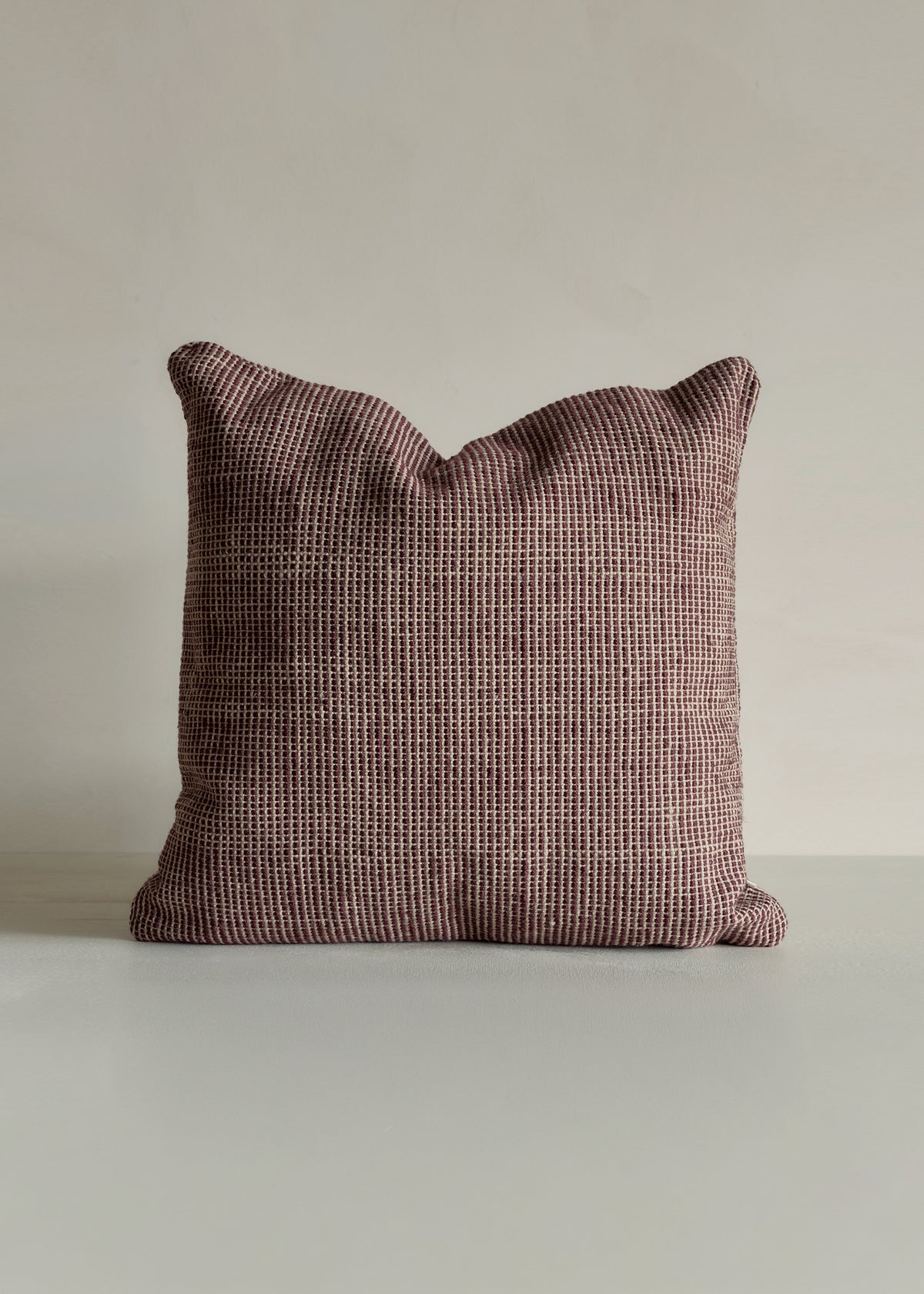
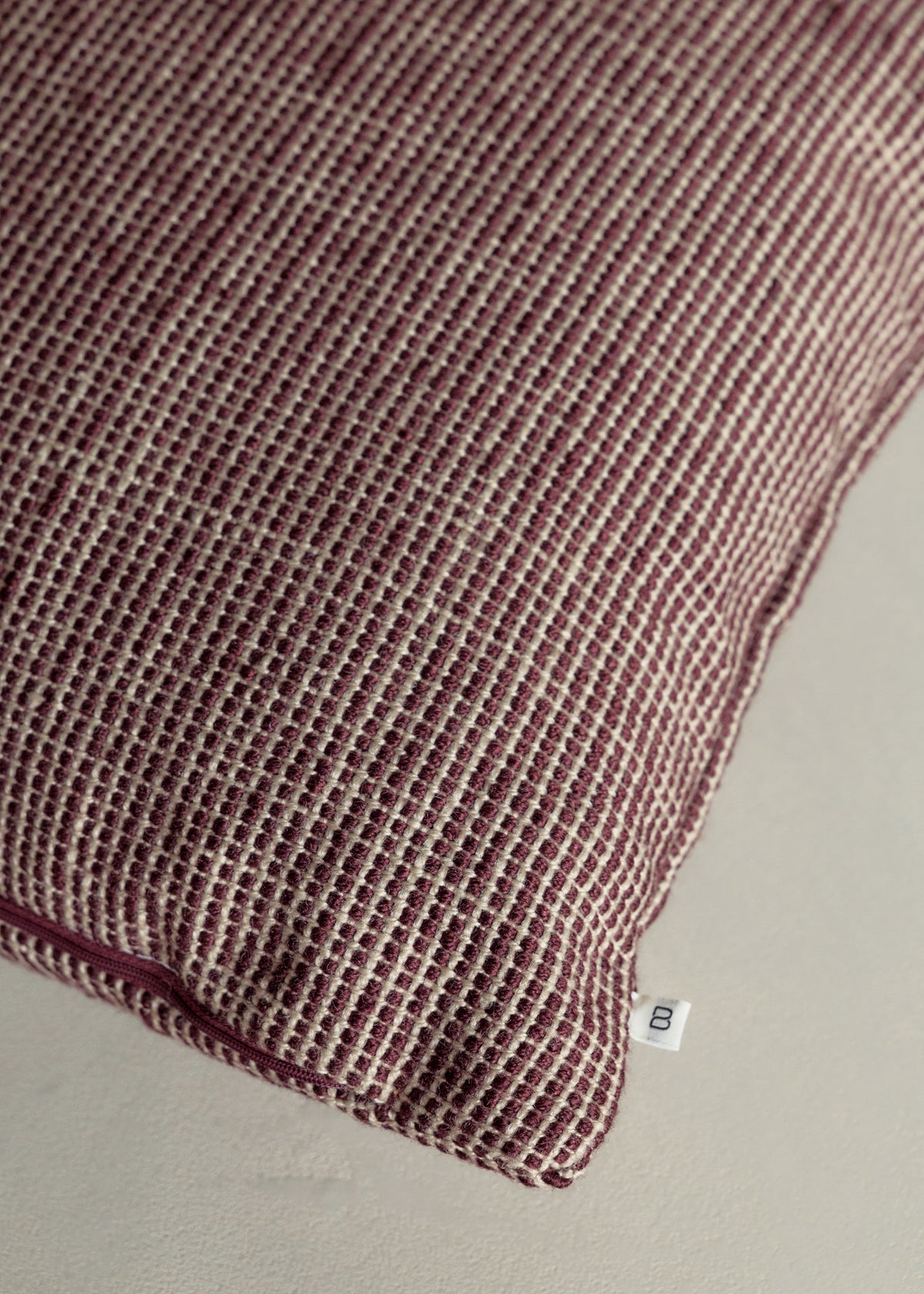
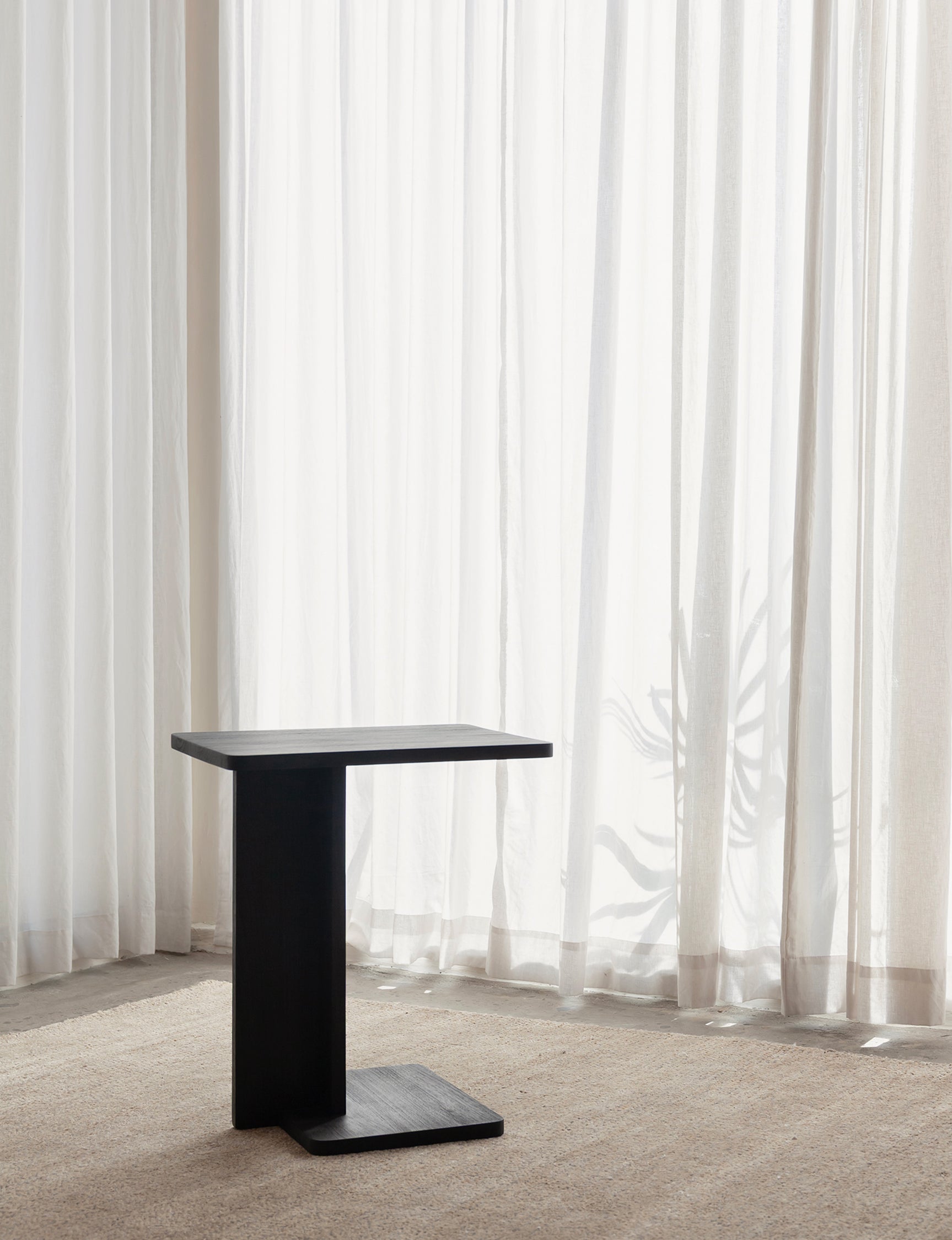
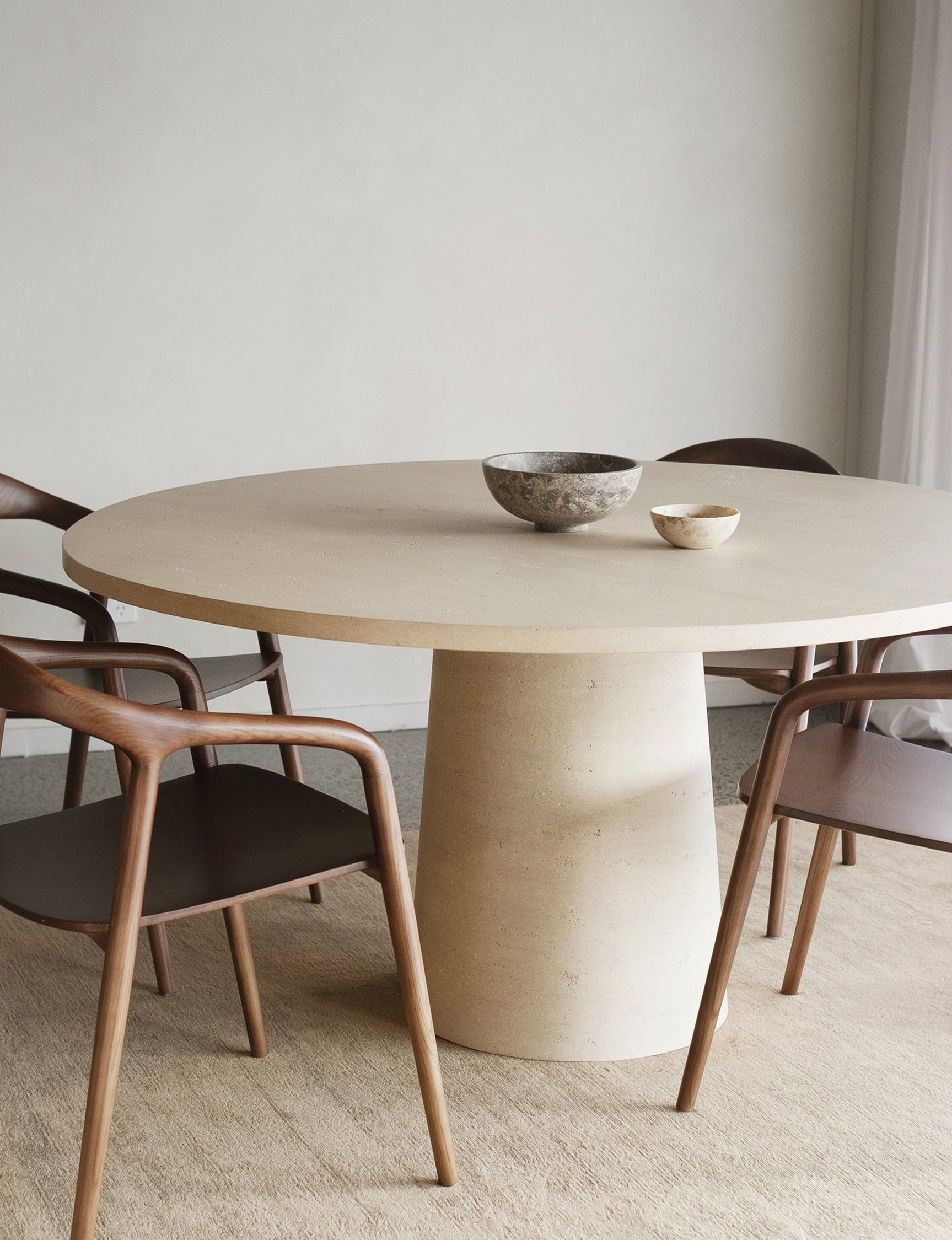
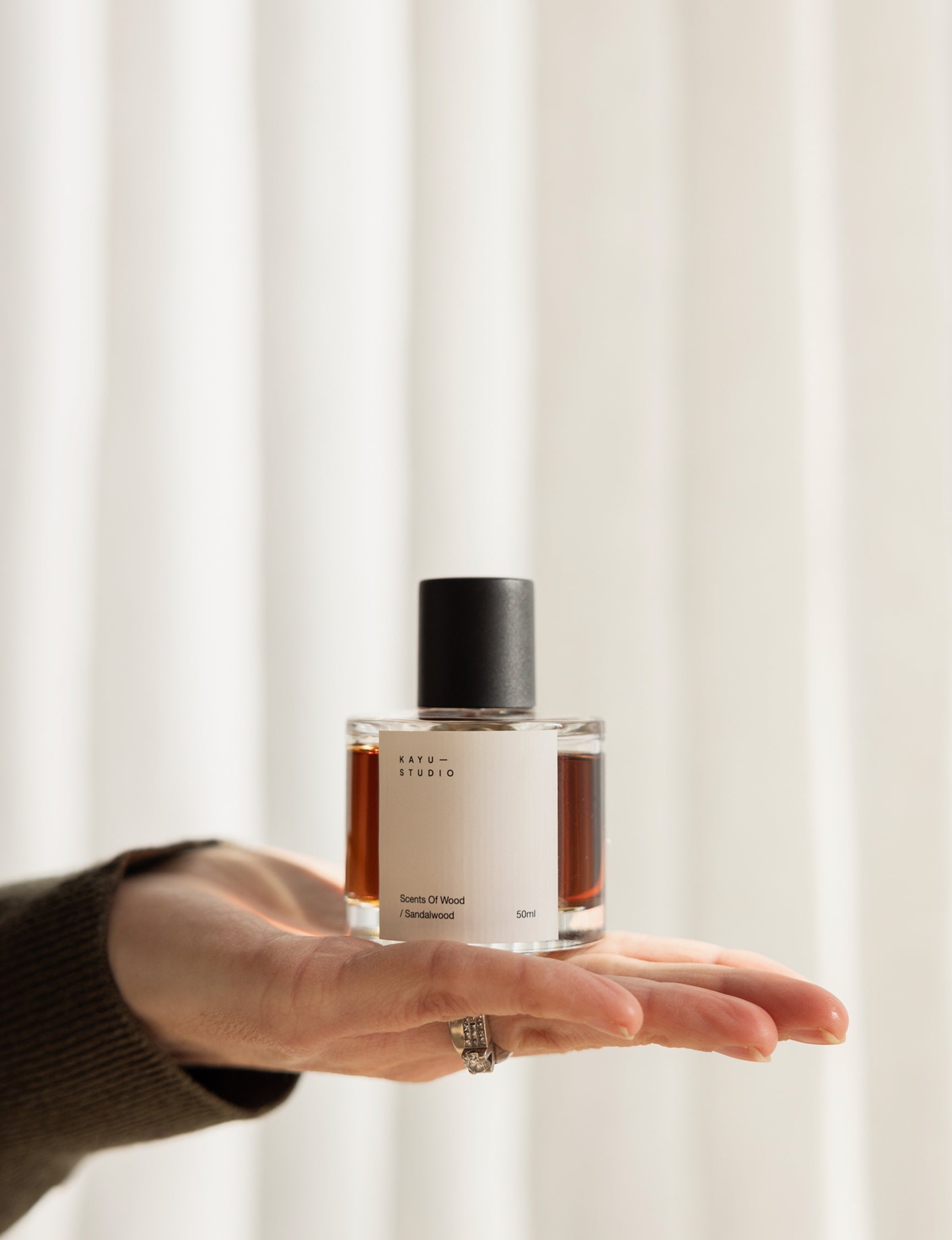
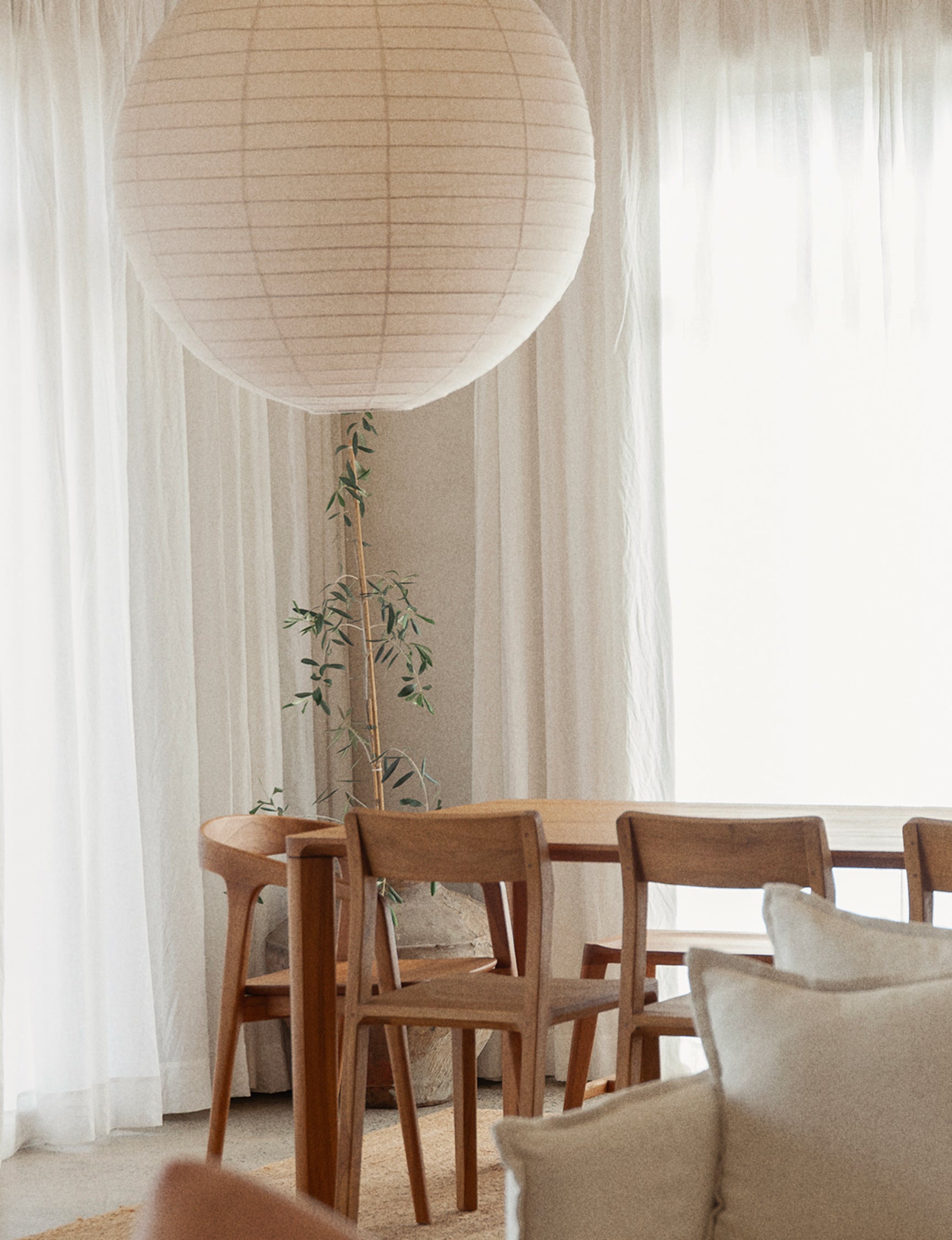
So when Victoria and her co-host Sophie Hallwright set up their Auckland recording studio over the summer, it felt like a natural fit to furnish the space with pieces from our collection. A place where considered conversations happen deserved a considered environment to match.

We've always believed that the objects and furniture you bring into your home say something about how you want to live. Not as a status signal, but as a quiet statement of values — a preference for the made-over-the-mass-produced, the timeless over the trending, the piece you'll still love in twenty years over the one that was convenient right now.

Talking with Victoria, it became clear she sees her financial philosophy through a similar lens. The Curve was built to cut through the noise — to make investing feel human, approachable, and genuinely useful for the women who had long been left out of that conversation. The parallels with how we think about furniture felt less like a coincidence and more like a shared worldview.
We sat down with Victoria to talk about space, intention, and what it really means to invest wisely — whether that's in your portfolio or your home.

The Curve is built around the idea that financial decisions should be thoughtful and informed, not reactive. We'd say the same about how people furnish their homes. Do you think there's a connection between how someone approaches their money and how they approach their living space?
Yes — I actually think there's a pretty strong connection. The way you approach money often shows up in how you make decisions about your life more broadly: whether you're intentional or impulsive, whether you think long-term or just in the moment. I think the same applies to your home. If you're thoughtful with your money, you're probably more likely to take your time, choose things you really love, and think about how everything fits together. It's less about rushing or keeping up with trends, and more about building something that feels right for you over time.
A lot of your listeners are women who are just starting to take their finances seriously — building confidence, asking questions, learning the language. Do you think there is a parallel in how people approach big home purchases? As a finance expert and a homeowner, do you have any advice for someone who feels overwhelmed by where to start?
My advice would be the same as with money: start simple and don't rush. Take time to understand what you actually like, research prices, figure out what you'll use and what matters to you — not what you think you should want. And whatever you do, don't overextend yourself. You don't want to be constantly reminded of how in debt you are every time you sit on your couch. Take your time.
We talk a lot about buying less, but buying better — investing in pieces that last rather than replacing things constantly. How does that philosophy translate to personal finance for you?
It's exactly the same principle. With money, a lot of people fall into the trap of doing lots of small, reactive things — jumping between investments, chasing trends, constantly trying to optimise. It's the equivalent of buying cheap things that don't really last. The real shift happens when you focus on quality: choosing a few good investments, backing them properly, and giving them time.
What does your home mean to you — is it somewhere you consciously invest in, or has it evolved more organically over time?
My home is my absolute sanctuary and place of reset. It's where I switch off from everything and focus on quality time with my partner and our dog, Miso. Being a business owner can be incredibly full on, so my home needs to be as relaxing and comforting as possible. I've been tempted at times to panic buy, and every time, I'm glad I haven't. I've just added things as I've found pieces I genuinely love — and that's made it feel much more personal and calm.
You've built The Curve into something really significant. When you're at home and not in "work mode," what does that look like for you — are you someone who needs the space around you to feel a certain way?
I'm someone who recharges by spending time at home. I really value things being quiet and simple. I don't need everything to be perfect, but I do notice how much my environment affects how I feel. My bedroom is cosy and quite minimalist — clutter in my space tends to clutter my mind. When my home feels good, I feel more grounded, more relaxed, and able to properly switch off.
If you could give one piece of advice to someone trying to live more intentionally — whether that's financially, at home, or both — what would it be?
Slow down your decisions. Whether it's money or your home, most mistakes come from rushing or reacting. If you can pause, take a step back, and make choices that actually align with what you want long-term, everything tends to work out better. A quote that helps me with this: be where your feet are.